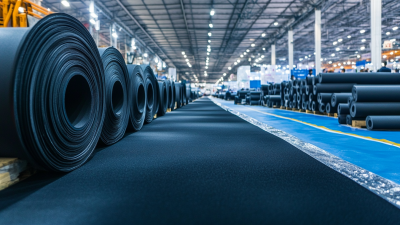
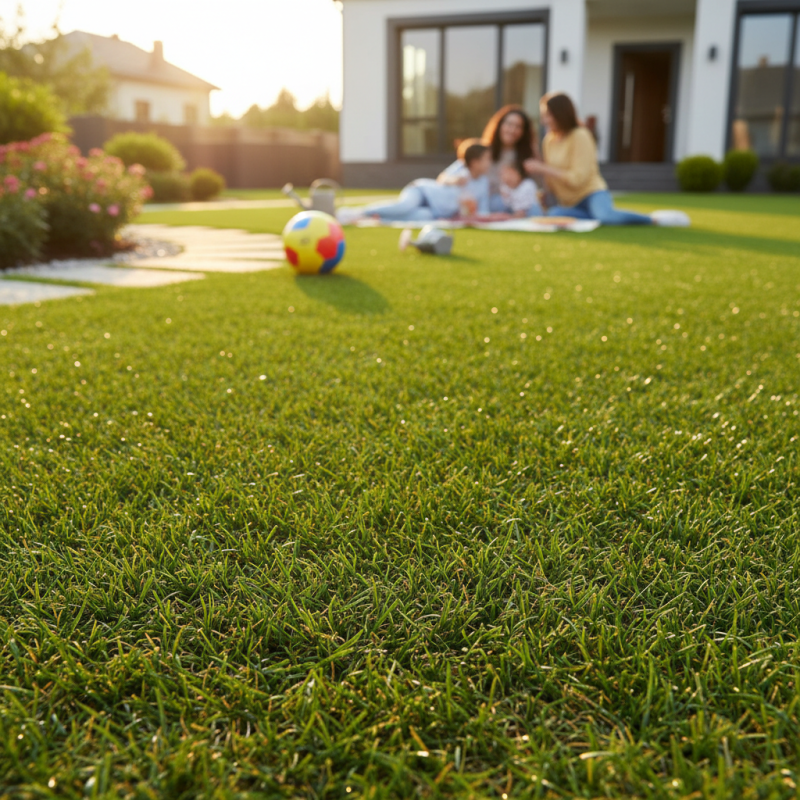
In today’s ever-changing landscaping world, Synthetic Grass has really become a game-changer for homeowners who want a beautiful yard without all the hassle. I mean, as John Smith, a top expert in the synthetic grass scene and author of tons of landscaping guides, likes to say, “Synthetic grass isn’t just a good alternative; it’s a smart choice that combines beauty and convenience without the mess of maintenances.
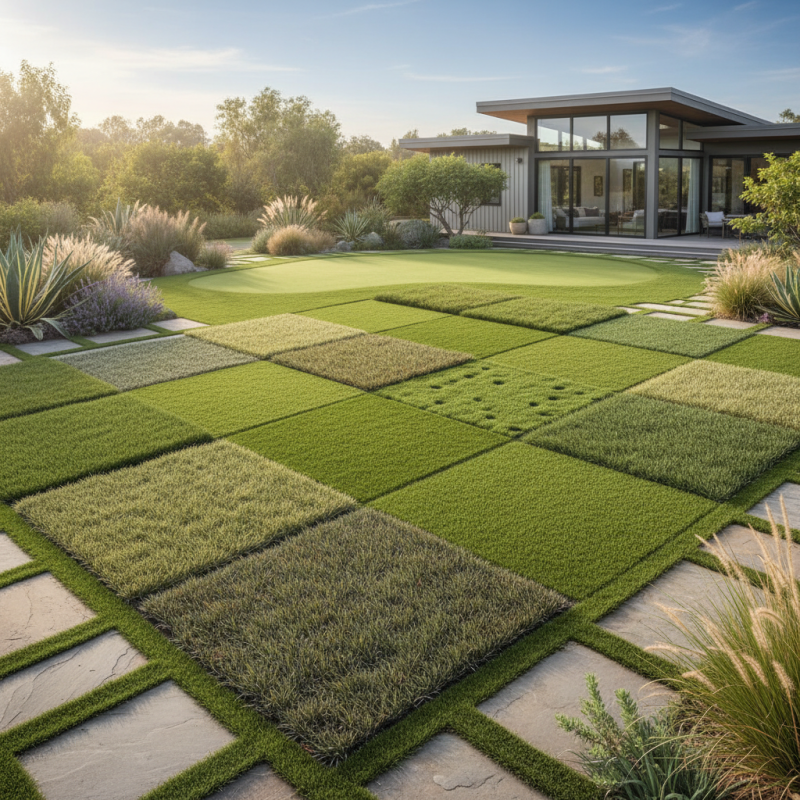
Synthetic grass has gained popularity as an attractive alternative to natural lawns, offering a plethora of benefits that cater to modern landscaping needs. One of the primary advantages of synthetic grass is its incredibly low maintenance requirements. Unlike natural grass, which demands regular mowing, watering, and fertilizing, synthetic options remain lush and vibrant without the need for constant upkeep. This makes them ideal for busy homeowners or those looking to reduce their environmental footprint, as synthetic grass conserves water and eliminates the need for chemical herbicides and pesticides.
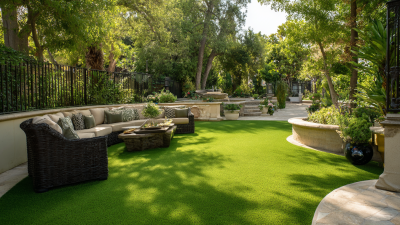
Moreover, synthetic grass provides durability that exceeds that of traditional lawns. It can withstand heavy foot traffic, making it suitable for both residential yards and commercial spaces. With advancements in technology, modern synthetic grass looks and feels like real grass, offering aesthetic appeal without the hassle. Additionally, it is resistant to fading and weather effects, ensuring that it remains pristine year-round. By choosing synthetic grass, homeowners not only enhance the visual appeal of their properties but also enjoy a practical and sustainable landscaping solution that stands the test of time.
When exploring the various types of synthetic grass available on the market, one can find a diverse range of options designed to suit different needs and preferences. Generally, synthetic grass can be categorized into two main types: polyethylene and polypropylene. Polyethylene synthetic grass is known for its soft texture and durability, making it ideal for residential lawns and recreational areas. It mimics the look of real grass closely, providing an aesthetic appeal while requiring minimal maintenance.
On the other hand, polypropylene Artificial Grass is often more budget-friendly and tends to be used in commercial applications, such as sports fields or playgrounds. Despite being less durable compared to polyethylene, it serves well in high-traffic areas due to its resilience and affordability. Additionally, there are specialized options like nylon grass, which is designed for areas subjected to heavy use or extreme conditions, offering unparalleled durability and strength. By understanding these types of synthetic grass, homeowners and businesses can make informed decisions to achieve lush, maintenance-free landscapes tailored to their specific needs.
When selecting synthetic grass for a low-maintenance lawn, there are several key features to consider to ensure you make the best choice for your outdoor space. First, the material quality is crucial. Most synthetic grasses are made from polyethylene, polypropylene, or nylon. According to a 2022 market research report, polyethylene is the most popular choice due to its durability and soft texture, making it appear more natural. Nylon, while stronger, is rarely used for residential lawns due to its higher cost and harsher feel.
Another important feature is the pile height and density. Synthetic grass typically ranges from 1 to 3 inches in height; a taller pile can provide a lush, fuller appearance, while a shorter pile may be easier to maintain. The density, or the number of blades per square inch, affects not just aesthetics but also how well the grass can withstand foot traffic. Industry standards suggest that residential lawns should have at least 50 ounces of face weight per square yard to ensure longevity and resilience, making it crucial to assess these specifications when making your selection.
Additionally, consider the infill options. Infill materials such as sand or rubber can enhance the grass's durability, support drainage, and help keep the grass blades upright. A study from the National Association of Landscape Professionals highlights that proper infill can significantly extend the lifespan of synthetic grass, making it a worthwhile investment for homeowners looking to enjoy a verdant lawn with minimal upkeep.
When choosing synthetic grass, it’s essential to compare the top products available in the market to ensure you select the best option for your needs. Key factors to evaluate include the material quality, pile height, and UV resistance, which can significantly influence durability and aesthetics. The texture and color should mimic natural grass closely to create a visually appealing lawn. Additionally, look for options that offer good drainage and low maintenance requirements, as these features contribute to the overall convenience of synthetic lawns.
Another vital consideration is the warranty and customer service offered by manufacturers. Understanding the lifespan of the product and any potential maintenance needs will help you make an informed decision. Comparing user reviews and expert ratings provides insight into real-world performance, particularly regarding wear and tear under various weather conditions. This comprehensive approach will ensure that the synthetic grass you choose will provide a lush, inviting lawn, without the hassle of traditional turf care.
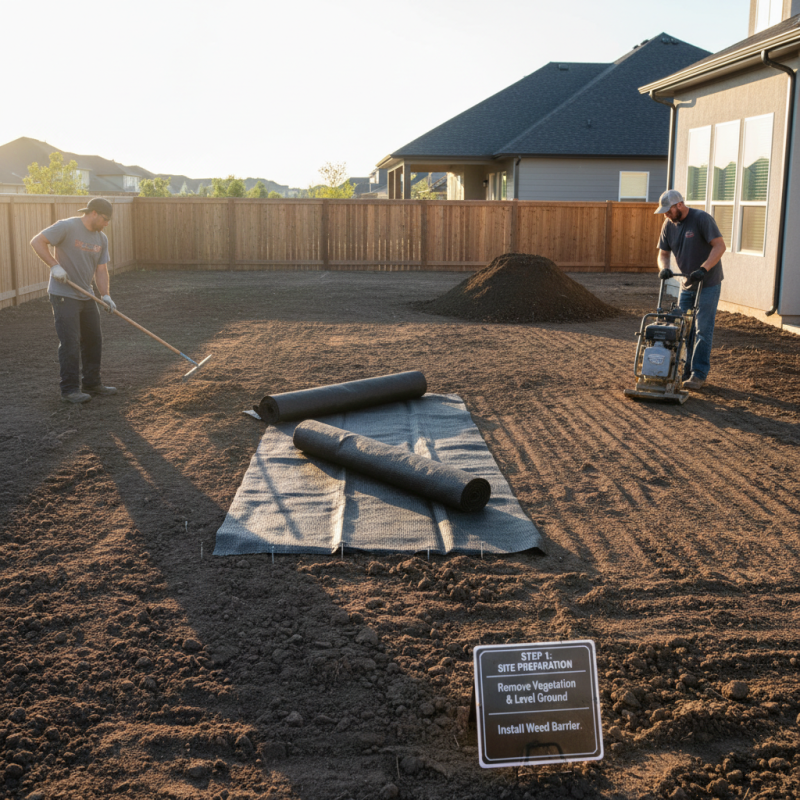
The installation process for synthetic grass lawns is a crucial step toward achieving a beautiful and durable outdoor space. The first phase involves diligent preparation of the site. Begin by removing any existing grass or vegetation, ensuring the area is clean and free of debris. It's essential to level the ground, filling in any low spots with soil to create a smooth surface. After leveling, consider installing a weed barrier fabric to prevent unwanted growth beneath the synthetic grass.
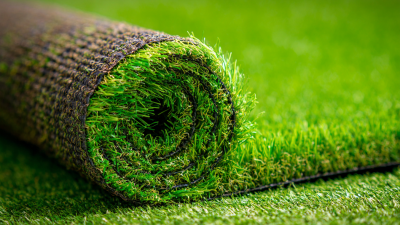
Once the area is prepared, the next step is to lay down a base material, typically crushed rock or gravel, which provides proper drainage and stability. This layer should be compacted to create a solid foundation for the synthetic grass. Following this, it’s important to roll out the synthetic grass, making sure to align the seams correctly for a seamless appearance. Finally, use infill material, such as sand or rubber granules, to help weigh down the grass and keep the fibers upright, enhancing both the look and feel of your new lawn. Proper finishing touches, like trimming edges and securing the perimeter, will complete the installation, offering a lush, low-maintenance lawn that is ready to enjoy.
To ensure that your synthetic grass remains lush and inviting for years to come, regular maintenance is essential. One of the key tips is to brush the grass periodically. This helps to lift the fibers and prevent them from becoming flat due to foot traffic or weather conditions. Using a stiff-bristle broom or a specialized brush can effectively maintain the blades’ upright position, giving your lawn that freshly manicured look.
Another important aspect of maintenance is to keep the Synthetic Turf free from debris. Regularly removing leaves, twigs, and other organic matter not only enhances the appearance but also prevents mold and mildew from forming. A leaf blower or a garden vacuum works wonders for this task. Additionally, rinsing the grass with water occasionally can help to eliminate dust and allergens, keeping the surface clean and safe for pets and children. Implementing these simple yet effective maintenance practices will significantly enhance the lifespan and beauty of your synthetic lawn.
When considering synthetic grass options for your lawn, budget is a crucial factor that can significantly influence your choice. The initial investment for synthetic turf can range widely based on quality, brand, and installation costs. Typically, homeowners can expect to pay between $5 to $20 per square foot, inclusive of installation. While the upfront cost may seem steep, it’s essential to view this as a long-term investment. Synthetic grass eliminates the need for constant watering, mowing, and fertilizing, which can significantly cut down your ongoing maintenance expenses.
Tips for budgeting effectively include measuring your lawn area accurately to avoid overestimating costs and considering DIY installation to save on labor expenses. Additionally, researching the durability and warranty options offered by different products can help you make informed decisions—opting for a high-quality material may lead to fewer replacements in the future, thereby proving cost-effective in the long run.
It’s also wise to factor in any additional expenses such as tools for installation or base materials if you choose to install the grass yourself. Comparing quotes from different suppliers can help you find the best deal while ensuring you don’t sacrifice quality for affordability. By carefully planning your budget and taking the time to explore various options, you can create a beautiful, low-maintenance green space that enhances your home without breaking the bank.
: The two main types of synthetic grass are polyethylene and polypropylene. Polyethylene is known for its soft texture and durability, making it suitable for residential lawns, while polypropylene is more budget-friendly and often used in commercial applications.
Synthetic grass is designed to closely mimic the look and feel of natural grass. The texture and color options aim to provide a visually appealing lawn that enhances the aesthetic of outdoor spaces.
Key factors to evaluate include material quality, pile height, UV resistance, texture, color, drainage capability, and maintenance requirements. Reviewing warranties and customer service can also be important.
Homeowners can expect to pay between $5 to $20 per square foot for synthetic turf, including installation. It’s important to consider this as a long-term investment due to savings on maintenance costs.
Effective budgeting tips include accurately measuring the lawn area, considering DIY installation to save on labor, researching durability and warranty options, and comparing quotes from various suppliers.
While synthetic grass requires less maintenance than natural grass, occasional cleaning and grooming may still be necessary to keep it looking its best.
Nylon grass is designed for areas subjected to heavy use or extreme conditions, offering greater durability and strength, making it a good choice for high-traffic zones.
Synthetic grass eliminates the need for frequent watering, mowing, and fertilizing, leading to reduced ongoing maintenance expenses and time savings over the lawn’s lifespan.
When choosing synthetic grass, look for products that are designed with good drainage capabilities, as this feature is essential for maintaining a dry and healthy surface.
Yes, homeowners can opt for DIY installation to save on labor costs, but it's important to factor in the additional expenses for tools and materials needed for the installation process.
Synthetic grass is an increasingly popular choice for homeowners seeking lush, low-maintenance lawns. This guide provides an overview of its benefits, including reduced watering and maintenance needs, while exploring various types available on the market. When choosing synthetic grass, key features such as durability, UV resistance, and aesthetics are essential to consider.
The article compares the top ten synthetic grass products, highlighting their characteristics and suitability for different applications. It also details the installation process to ensure a successful outcome and offers maintenance tips to extend the life of synthetic grass. Finally, a cost analysis helps homeowners budget effectively for their synthetic grass solutions, making it a practical option for those looking to enhance their outdoor spaces.