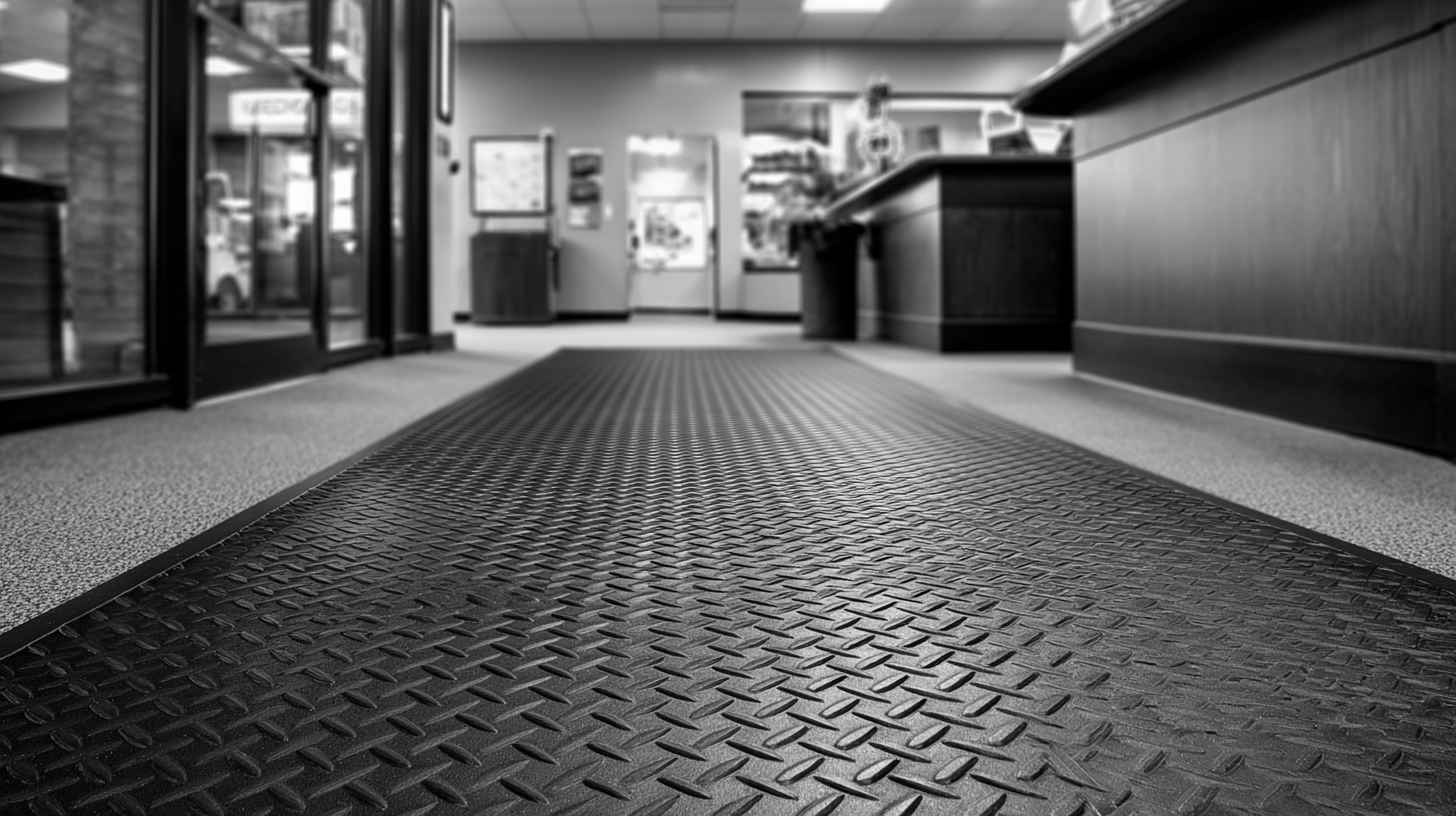
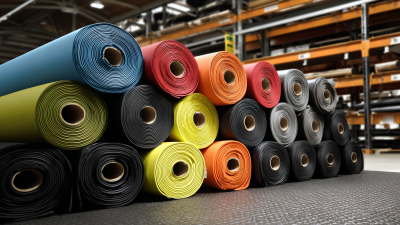
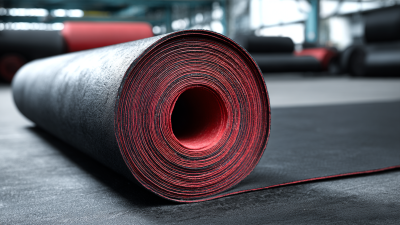
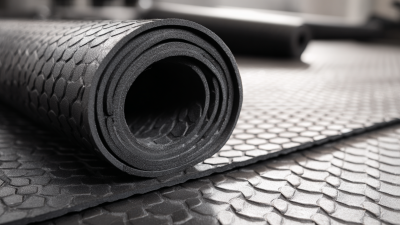
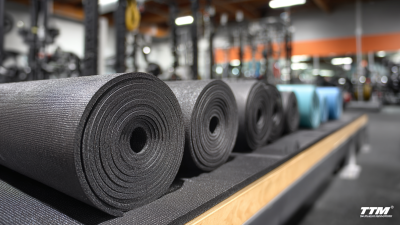
In today’s competitive world, picking the right Rubber Floor Mats is more important than ever for businesses that want to create a safe and effective training space. A recent report fromIBISWorld even shows that the demand for flooring solutions in the fitness and sports industry has been climbing — it’s expected to grow by about 4.2% each year over the next five years. That’s pretty significant and really drives home the point that choosing high-quality, durable mats isn’t just about safety but also about making your space look good.
Sanhe Do It The Way Sporting Industrial Co., Ltd.gets this trend and is all about innovation, offering a variety of options suited for sports venues, Gyms, and training facilities. By staying in tune with industry trends and using advanced materials, businesses can make smarter choices about their flooring, making sure they get top performance and keep their clients happy.
Identifying Key Industry Trends Influencing Rubber Floor Mat Selection
In today’s fast-moving market, picking out the right rubber floor mats for your business isn’t just about looks — you really need to get a good sense of what’s trending now. The good news? The Rubber Mats market is booming! It’s expected to jump from around $3.5 billion in 2024 all the way up to $5.8 billion by 2033, growing at about 6.1% annually. That’s pretty impressive and shows how more industries—from commercial and industrial to even residential—are after durable, high-quality flooring options.
When you’re selecting rubber mats, don’t forget to think about things like sustainability, especially these days. More and more businesses are leaning towards eco-friendly stuff, so that’s definitely worth considering. Try to find mats made from recycled materials, and check if they’re built to last — because the longer they last, the better for the environment.
Also, it’s super important to think about what your specific industry needs. For example, restaurants might need slip-resistant mats, while heavy-duty industrial settings require something more rugged. Taking these details into account will help you make a smart investment that not only fits current trends but also boosts safety and practicality in your space.
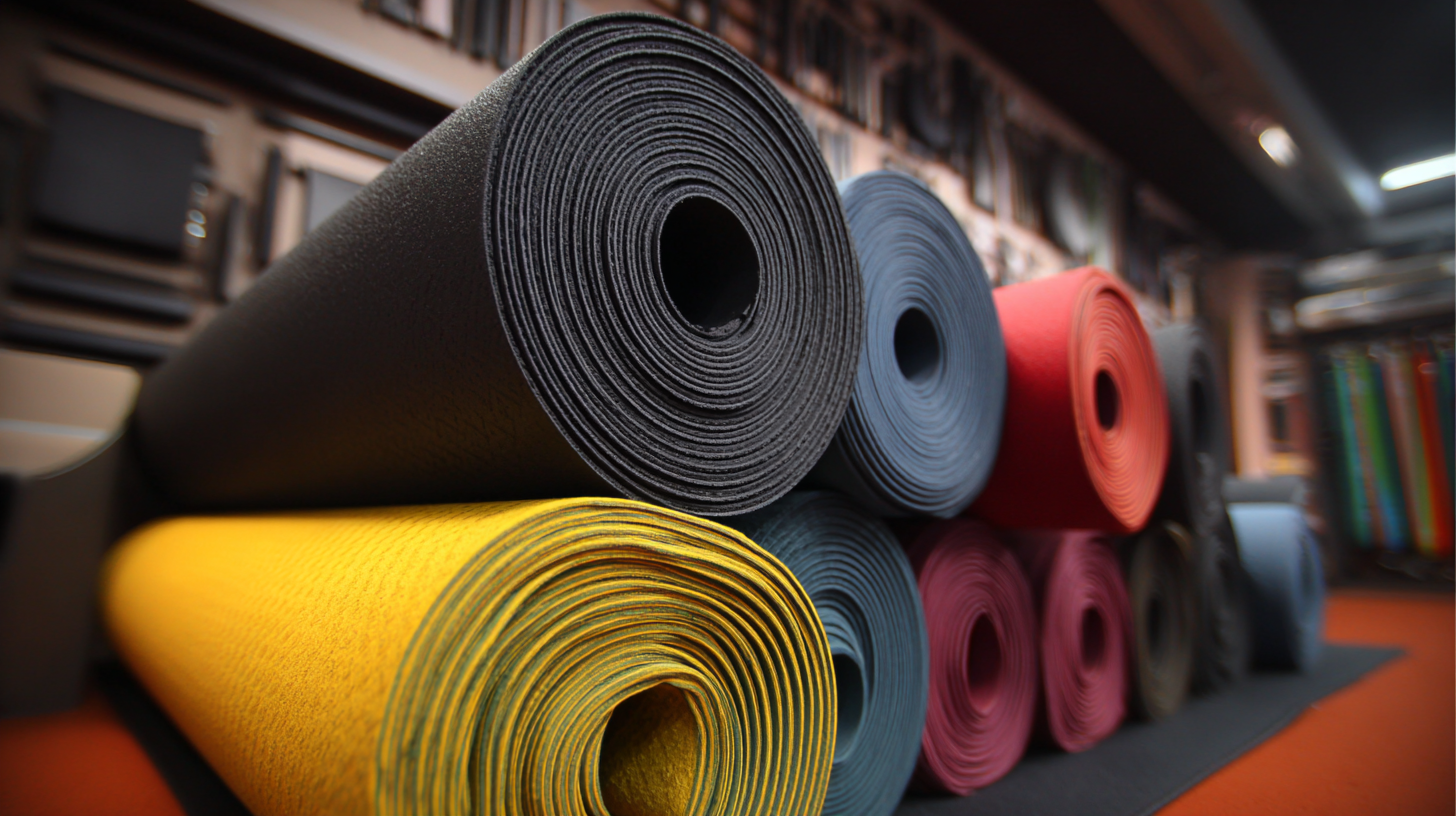
Evaluating Specific Business Needs for Custom Rubber Flooring
When you're picking out rubber floor mats for your business, it's really important to think about what you actually need, based on what kind of industry you're in. Every sector has its own quirks—like, a restaurant needs mats that resist grease and are super easy to clean, while a gym might be more concerned with traction and durability. Understanding these little differences helps you make smarter choices, making sure your flooring not only keeps things safe but also helps things run smoothly on the day-to-day.
Plus, customization can be a real game-changer. Many businesses go for mats that show off their branding—like logos or colors—or that fit perfectly into their space. For example, a retail shop might want mats with their logo on them, serving both a practical and promotional purpose. Taking the time to figure out exactly what your business needs will help you pick out rubber mats that are trendy, functional, and that create a comfortable environment for your staff and customers alike.
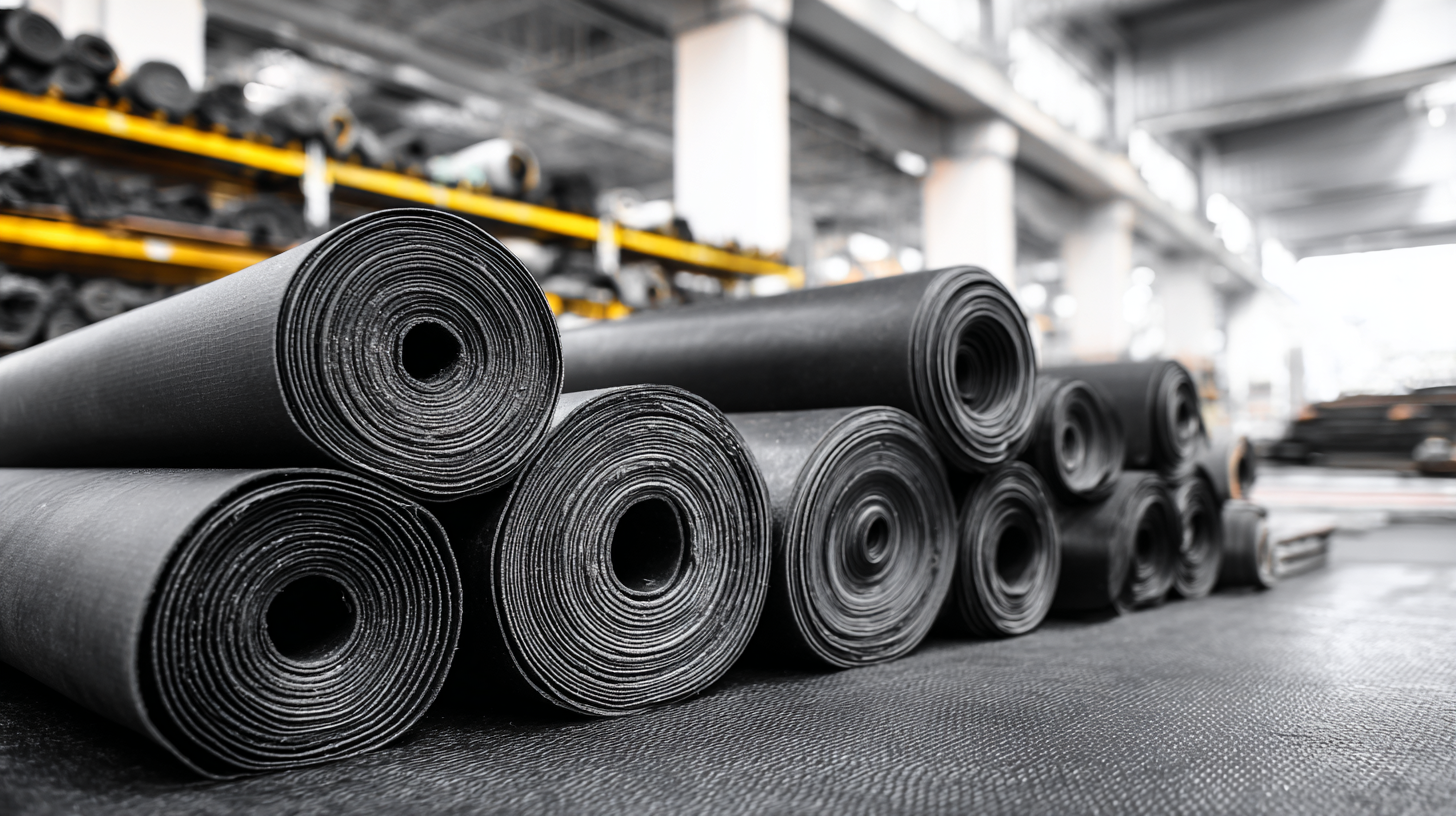
Comparing Types of Rubber Floor Mats for Various Industry Applications
When you're shopping for rubber floor mats, it’s really helpful to understand the different types out there and what they’re best suited for in various industries. Each environment has its own specific needs; for example, heavy industrial workplaces often need mats that are super tough and slip-resistant because of heavy equipment and lots of foot traffic. On the flip side, healthcare facilities look for mats with antimicrobial features to keep things hygienic and safe.
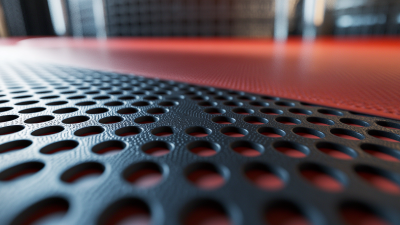
A couple of things to keep in mind: think about how much moisture there is around and what kind of dirt or debris the mats will have to handle. For wet areas, go for mats with drainage holes — trust me, water pooling isn’t what you want. And if chemicals are involved, pick mats that are designed to resist spills and stains, so they stay looking good and performing well.
In retail stores, how the mats look can matter just as much as how well they work. Decorative rubber mats that feel comfy underfoot can really make a difference for customers and help prevent slips too. Try to pick colors and patterns that match your store’s vibe, but don’t forget safety first.
Here’s a little tip: think about how often people walk on the mats and what kind of traffic they’ll see. That will help you choose the right thickness and material. Spending a bit more on quality mats that are designed for your industry can really boost safety and make your whole operation run smoother.
Rubber Floor Mats Comparison for Various Industry Applications
Assessing Durability and Safety Features in Rubber Mat Products
When you're picking out rubber floor mats for your business, keep in mind that durability and safety should be your main priorities. Rubber mats are pretty resilient, but not all are equal—some are better suited to tough environments than others. It’s a good idea to go for mats that are thick and made from high-quality materials, especially if your place gets a lot of foot traffic or if spills happen often. For example, if your business involves heavy crowds or oil and chemical exposure, look for mats that have non-slip surfaces and are resistant to those elements.
Quick tip: It’s worth checking if the mats have safety certifications like ASTM or ISO. That way, you’ve got some extra peace of mind knowing they meet certain safety standards.
Another thing to think about is how easy they are to maintain. Dirty or slippery mats can be a real hazard, so choose ones that are simple to clean and quick to dry. Some mats even come with built-in antimicrobial features which help keep the area hygienic, especially where lots of people walk through.
Another tip: Pick mats with beveled edges—it reduces tripping risks and helps create a smoother transition between different flooring types. Taking the time to choose wisely can make a pretty big difference in keeping your space safe and tidy.
Cost Analysis: Budgeting for High-Quality Rubber Floor Mats
When you're thinking about investing in rubber floor mats for your business, it's really important to keep your budget in mind. Sure, high-quality mats might seem a bit pricey upfront, but honestly, they tend to last much longer and perform better over time, so it’s kind of a ‘you get what you pay for’ situation. Think about what your industry actually needs—like, if you own a restaurant, slip resistance is key; or if you're in manufacturing, chemical resistance might be a must. These details can seriously affect the overall cost and the value you're getting.
Here's a little tip: try to look at the bigger picture—the total cost of ownership. That means considering how long the mats will last and what kind of maintenance they need. Those top-notch mats might cost more at first, but since they last longer and need fewer replacements, you'll probably save money in the long run.
Also, don’t forget about installation costs. Some rubber mats are pretty heavy and might require professional help, which can add to your budget. My advice? Shop around, get quotes from different suppliers, and ask if they offer any discounts for bulk orders—many do, especially if you're outfitting a large space.
Another little tip: don’t hesitate to ask about warranties. A good warranty can really help cover costs if the mats wear out sooner than expected, giving you some peace of mind and saving you money down the line.
Maintenance Requirements: Ensuring Longevity of Rubber Flooring Solutions
When you're picking out rubber floor mats for your business, it's really important to understand how to take care of them. This way, they'll last longer and work better. I came across a report from Grand View Research that said the global Rubber Flooring market could hit an impressive $2.53 billion by 2025. That just goes to show how much companies from different industries are looking for flooring that's tough, low-maintenance, and reliable. Keeping up with regular cleaning not only helps these mats last longer but also keeps them looking good and functioning well.
To keep rubber mats in tip-top shape, there are some simple cleaning routines to follow. According to the American Society for Testing and Materials (ASTM), cleaning your mats regularly can actually cut down on wear and tear, making them safer by improving slip-resistance. Just daily sweeping and occasional deep cleaning with some mild detergent can make a big difference—it's a quick and easy way to avoid dirt and grime buildup. Plus, it's a good idea to check periodically for any damage; catching problems early can save you from bigger headaches later on. Basically, taking care of your rubber flooring properly means you're getting the most out of your investment and staying in line with the best practices in the industry.
How to Choose the Right Rubber Floor Mats for Your Business Needs Based on Industry Trends - Maintenance Requirements: Ensuring Longevity of Rubber Flooring Solutions
| Industry | Recommended Mat Type | Maintenance Frequency | Expected Longevity | Key Maintenance Tips |
| Hospitality | Anti-fatigue Mats | Weekly | 5-10 years | Regular cleaning; remove debris; inspect for wear. |
| Manufacturing | Heavy-Duty Mats | Monthly | 10-15 years | Frequent deep cleaning; check for chemical damage. |
| Retail | Entrance Mats | Bi-weekly | 3-7 years | Regular vacuuming; periodic shampooing. |
| Food Service | Grease-Resistant Mats | Weekly | 5-10 years | Regular washing; check for slip resistance. |
Unlocking Fitness Potential: The Impact of Rubber Interlocking Mats on Home Gym Efficiency and User Experience
Unlocking Fitness Potential: The Impact of Rubber Interlocking Mats on Home Gym Efficiency and User Experience
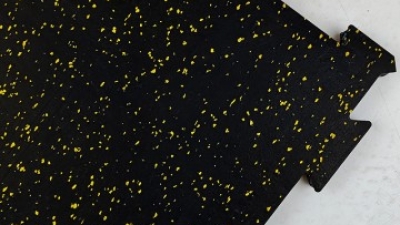
When it comes to maximizing your home gym experience, the right flooring can make a significant difference. Rubber interlocking mats are designed specifically for fitness environments and can enhance both efficiency and user satisfaction. Constructed with 40 mesh rubber tire powder and 15% EPDM granules, these mats are not only durable but also provide excellent shock absorption. This means that whether you're lifting weights or performing high-intensity cardio, your joints will be better protected, allowing for a more comfortable workout.
One of the standout features of these rubber interlocking mats is their ease of installation. The innovative design utilizes molded and spiral-cut techniques, making it simple to assemble them in any configuration that suits your space. This flexibility is particularly beneficial for home gyms, where space may be limited and personalization is key. Additionally, the mats help to reduce noise, creating a more pleasant workout environment. Their ability to dampen sound ensures that early morning workouts won't disturb the rest of the household, truly enhancing the user experience.
Whether you’re setting up a hotel gym or a personal workout space at home, investing in the right flooring like the rubber interlocking mats not only optimizes efficiency but also significantly elevates the quality of your fitness journey.
FAQS
: Consider the specific needs of your industry, such as resistance to grease for restaurants or durability and traction for gyms.
Custom mats can incorporate branding elements and color schemes that enhance the aesthetic appeal and functionality of your space, promoting both employee well-being and customer satisfaction.
Look for heavy-duty thickness, non-slip surfaces, and mats that are resistant to chemicals or oils. Certifications like ASTM or ISO can also assure safety compliance.
Choose mats that are easy to clean, quick-drying, and have built-in antimicrobial properties to maintain hygiene and reduce germs in high-traffic areas.
Regular cleaning, such as daily sweeping and periodic deep cleaning, can prevent wear and tear. Routine inspections for damage are also essential to address issues promptly.
Durable mats can withstand the specific demands of your industry, maintaining their functionality and safety even under heavy foot traffic or potential spills.
Beveled edges help minimize tripping hazards and ensure smooth transitions between different flooring surfaces, enhancing overall workplace safety.
Follow specific cleaning protocols, including regular sweeping and deep cleaning with mild detergents, to maintain the mats' condition and enhance slip resistance.
The global rubber flooring market is projected to reach $2.53 billion by 2025, driven by the need for durable and low-maintenance flooring across various industries.
Regular maintenance helps keep the work environment clean and hazard-free, reducing the risk of slips and falls in high-traffic areas.
Conclusion
In today's business world, picking the right rubber floor mats isn't just a minor detail — it's actually pretty important for making sure things run smoothly and safely, no matter what industry you're in. If you pay attention to the latest trends and what's popular, you'll have a better idea of what kind of custom rubber flooring will work best for your specific needs. It’s also a good idea to check out the different types of rubber mats out there, so you find ones that are tough enough and meet safety standards—especially in busy, high-traffic areas.
On top of that, doing a bit of a cost comparison can really help you plan your budget better. Investing in good quality mats that can handle rough use might seem pricey upfront, but it pays off because they last longer and keep your space safe. Don't forget, maintenance is key — some mats are easier to care for than others, and choosing those means you'll get more life out of them. In the end, the right rubber mats can seriously upgrade the look and feel of your training or work space, helping you create a safe, inviting environment that's perfect for everyone involved.